







Search Results for: tiger-striped crema

Where Do the Tiger Stripes on Espresso Come From? An Analysis of How Fines Affect the Color and Flavor of Crema
After extracting espresso, the golden, dense foam on the surface is the Crema. Sometimes this layer of crema develops brown streaks of varying shades, resembling tiger stripes, which enthusiasts call "tiger-striped espresso." How exactly do these patterns form? Does it mean the coffee tastes better? Front Street Coffee will start from the composition of the crema, analyze the origin of the tiger stripes, and compare the respective advantages of tiger-striped espresso and regular espresso in terms of body and cleanliness, helping coffee lovers view this phenomenon more rationally. [more…]
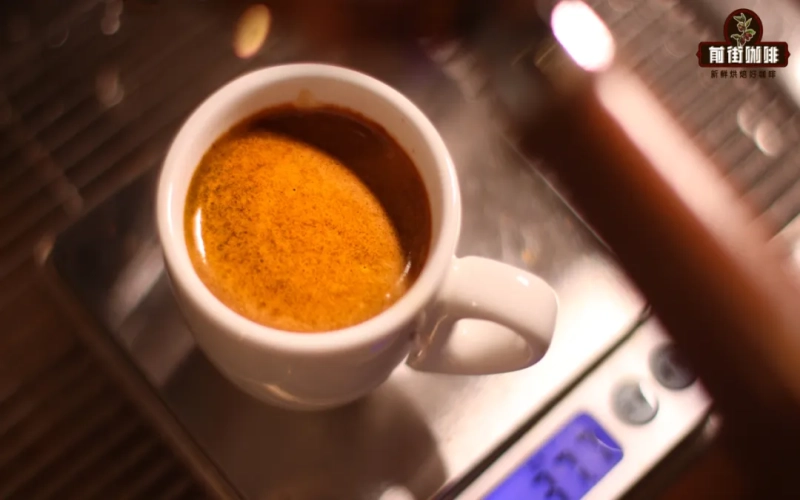
Is Tiger-Striped Espresso a Sign of Over-Extraction? Analyzing the Source of Fine Particles in Crema and Their Impact on Extraction
The tiger stripe pattern on the surface of espresso is often misunderstood as a sign of over-extraction, but the truth is exactly the opposite. Starting from the composition of the crema, this article explains that tiger stripes are actually a phenomenon in which coffee fines float on the surface of the crema, and analyzes how fines affect extraction, as well as how factors such as grind size, distribution technique, and the distance the espresso falls cause tiger stripes to appear. Front Street Coffee helps you clarify the true relationship between tiger stripes and over-extraction, and understand the role of fines in espresso extraction. [more…]
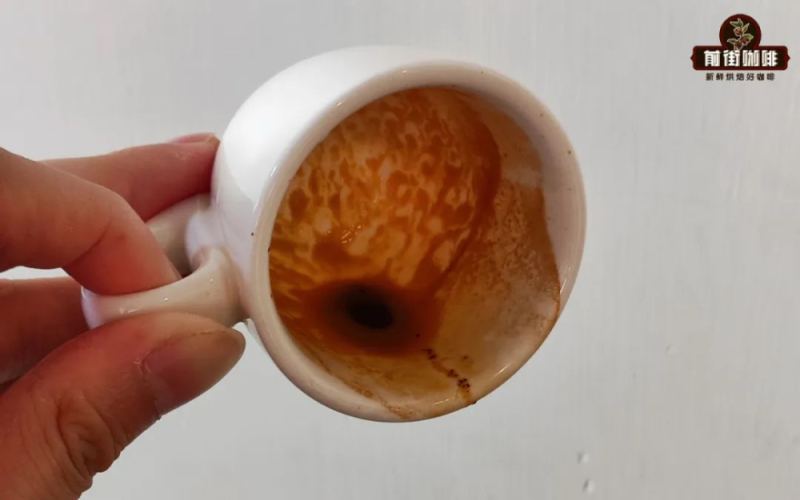
Is it normal for black sediment to appear at the bottom of an espresso cup? Explaining why fines pass through the filter basket
Many coffee enthusiasts, while enjoying an espresso, notice black particles settling at the bottom of the cup and worry whether this means something went wrong with the extraction. In fact, in most cases this phenomenon is perfectly normal. These sediments are extremely fine coffee grounds that have passed through the holes of the portafilter basket, and they usually sink to the bottom gradually after the coffee has rested for a few minutes. This article will explain in detail the principle behind how these fines appear, their relationship with tiger-striped crema, and several factors that may cause a sudden increase in sediment, including grinding too fine and deformation of the basket's mesh. At the same time, Front Street Coffee will also use examples to help you determine when you need to adjust your grinding parameters, so you can face that layer of fine grounds at the bottom of your cup with greater ease. [more…]
Espresso Extraction Guide: A Complete Analysis of Standard Yield, Parameter Settings, and Common Issues
Espresso is the soul base of fancy coffee drinks like mocha, cappuccino, and latte, but exactly how many milliliters should a proper shot of espresso be? And what parameter standards should be followed during extraction? In this article, Front Street Coffee will systematically sort out the definition and technical specifications of espresso, analyze the reasons behind the evolution of measurement from milliliters to grams, and provide cause analysis and solutions for common phenomena such as under-extraction, over-extraction, uneven flow, clumped crema, and tiger-striped crema. At the same time, we will also share how to choose beans suitable for making espresso, helping coffee lovers replicate coffee-shop-level rich flavor at home. [more…]
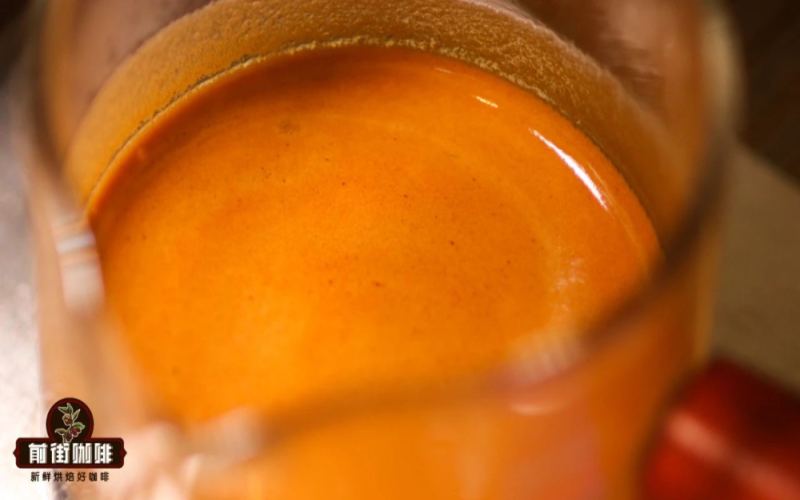
Four Key Points for Creating a Rich Espresso Crema: From Coffee Bean Freshness to Extraction Pressure
The golden layer of crema on the surface of an espresso is not only a visual pleasure, but also a concentrated expression of flavor. To replicate at home a perfect crema about 1–2 centimeters thick with tiger-stripe patterning, you actually need to control several key factors. This article will focus on four aspects—the freshness of the coffee beans, the roast level, varietal differences, and the pressure of the extraction equipment—to explain one by one the core factors affecting crema formation, while also drawing on the characteristics of several of Front Street Coffee's espresso blends to help enthusiasts find a production approach that suits them, so that every cup of espresso can show an ideal crema state and taste performance. [more…]
A Detailed Explanation of the Causes of Crema in Espresso: Four Key Stages from Bean Selection to Extraction Pressure
Espresso, as the foundation of the Italian coffee system, is regarded by many enthusiasts as the very soul of Italian coffee. The golden, tiger-striped layer of crema on the surface of an espresso, about 1 to 2 centimeters thick, is a key source of flavor, giving off aromas of toasted caramel and dark chocolate. To recreate an ideal crema at home, four core elements must be mastered: the freshness of the coffee beans, the roast level, the extraction pressure, and the choice of coffee variety. This article will explore these four dimensions one by one, explaining the principles behind crema formation and key practical points, while also introducing several Front Street Coffee espresso blends suitable for making espresso, helping readers make the right choice based on their own needs. [more…]
A Complete Guide to Espresso Crema: Ten Key Points from Freshness to Coffee Machine Pressure and Front Street Coffee's Recommendations for Rich-Crema Coffee Beans
Espresso is hailed as the soul of Italian coffee, and the golden, tiger-striped layer of crema on its surface is the core source of flavor. The ideal crema thickness is about 1–2 cm, giving off aromas of roast and dark chocolate. To replicate such a perfect espresso at home, you need to control four key details: coffee bean freshness, roast level, extraction pressure, and coffee variety. This article unfolds around these ten must-know points, from buying Front Street Coffee with a clear roast date, to prioritizing medium-dark roasted blends containing a small amount of Robusta, to the pressure differences among various extraction devices, breaking them down one by one. It also recommends three coffee beans with outstanding crema performance—Front Street Classic Italian Blend, Front Street Commercial Blend, and Front Street Dark Cocoa Base Blend—to help coffee lovers and shop owners find the choice that suits them. [more…]
Espresso Bean Selection Guide: Authentic Flavor Standards and Commercial Blend Recommendations
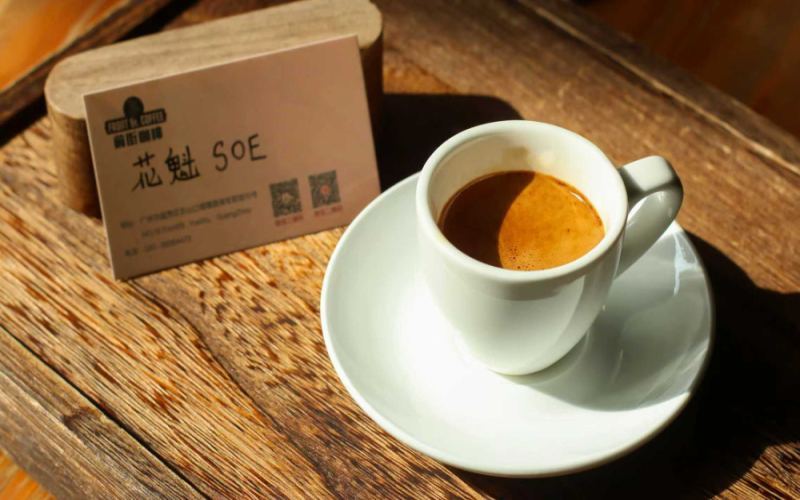
Espresso is the soul of a café. A proper Espresso requires reddish-brown crema, tiger-stripe patterns, a rich aroma, and a balanced taste of acidity, sweetness, and slight bitterness. From the perspective of Front Street Coffee, this article systematically explains the history and origins of espresso, its flavor characteristics, and the logic behind choosing blend beans. It also recommends several suitable beans, including Front Street Strawberry Candy and commercial blends, while breaking down extraction parameters and operating steps in detail to help coffee lovers recreate an authentic cup of Italian coffee at home. [more…]
Espresso Brewing Standards | What Are the Common Espresso Extraction Problems? How to Understand Under-Extraction and Over-Extraction?
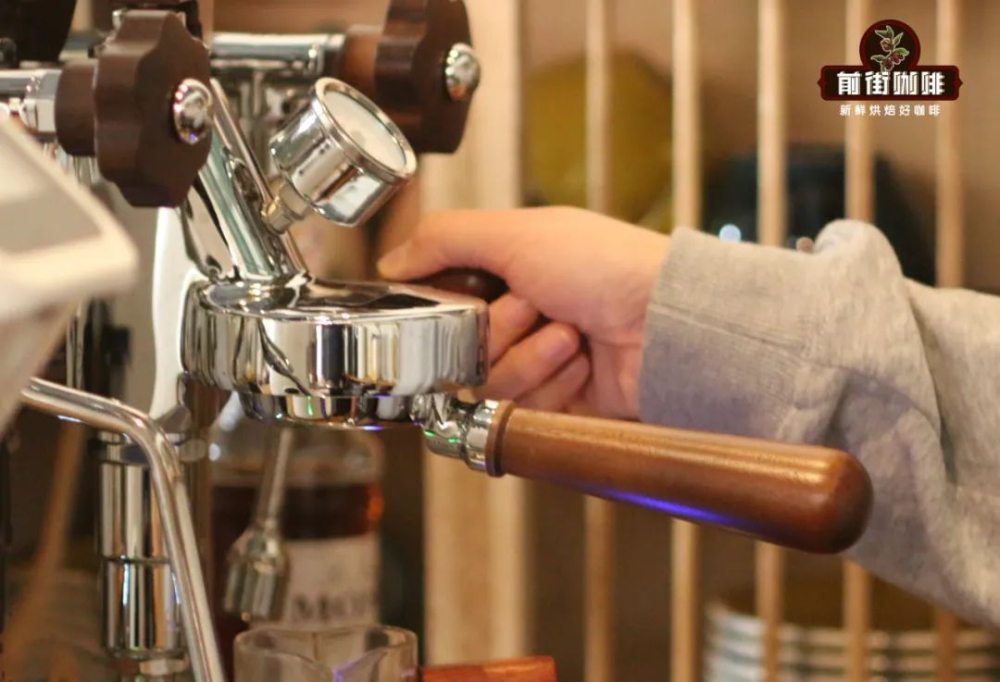
What is Espresso? Espresso, also known as "Espresso," is a coffee beverage or Italian-style coffee base originating from Italy. It is coffee that is rapidly extracted under high pressure. Traditionally, a single shot of espresso has a volume of about one ounce. The internationally accepted technical standard is as follows: around 7 grams of [more…]
Espresso Standard Volume Explained: Common Extraction Issues and Key Operating Points for Correct Practice
As the base for flavored coffee drinks such as mocha, cappuccino, and latte, the extraction standards for espresso have always been a topic of interest among coffee enthusiasts. Exactly how many milliliters should a qualified espresso be? And how should phenomena such as oil clumping, tiger striping, and single-sided extraction during the brewing process be understood and addressed? Starting from Front Street Coffee's output standards, this article systematically sorts out the definition of espresso, international technical specifications, and common issues from dose, water temperature, and pressure to grinding, tamping, and other stages, helping readers build a clear cognitive framework for extraction and recreate espresso with rich crema and balanced flavor at home. [more…]

Espresso Extraction Techniques | Why Does Homemade Espresso Have No Crema? Recommendations for High-Quality Espresso Beans with Thick Crema Just Like Coffee Shops
Espresso has always been one of the most popular coffee extraction methods, and it is also the first stop for most coffee beginners—perhaps because a cup of sweet, silky milk coffee is simply irresistible, or because the unique richness and refreshing quality of an Americano is addictive from the first sip, or because coffee specialty drinks are so stunning [more…]
Espresso Extraction Troubleshooting: Causes and Solutions for Soggy Loose Pucks, Clumpy Crema, and Tiger Striping
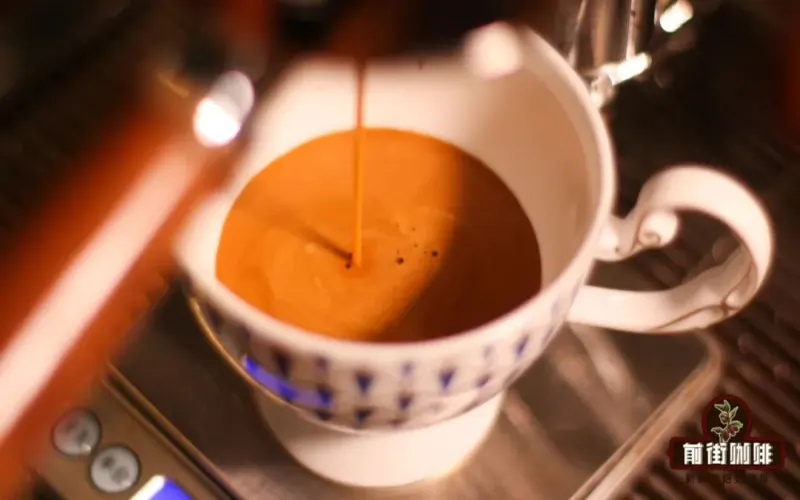
When pulling espresso shots, have you ever encountered water pooling in the portafilter basket, a loose puck that won't hold its shape, or crema that clumps up quickly with tiger stripes appearing on the surface? Each of these phenomena actually has its own underlying cause. This article continues Front Street's series on common espresso extraction issues, breaking down key variables one by one—dose, grind size, coffee bean degassing, and fines distribution. From judging extraction evenness by puck condition, to understanding the relationship between crema clumping and coffee bean freshness, to clarifying whether tiger stripes really mean over-extraction, this guide helps you troubleshoot more accurately and adjust your parameters, making every espresso shot more stable and controllable. [more…]
How to Make a Delicious Dirty: The Trio of Bean Selection, Milk, and Temperature
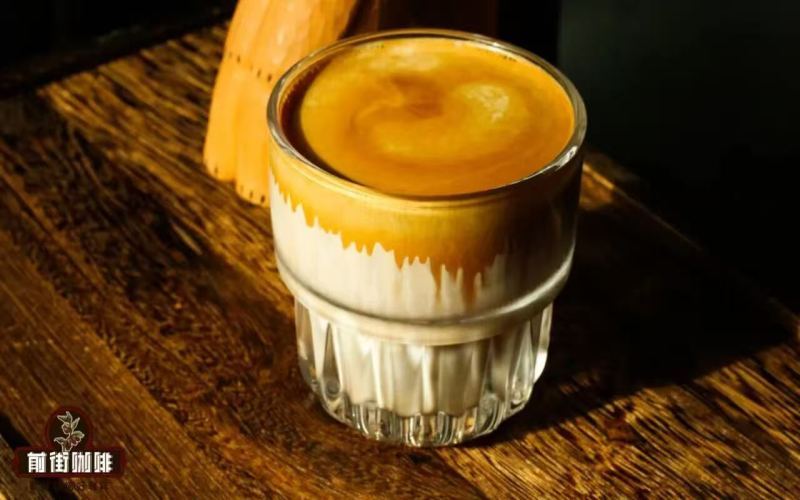
Dirty (dirty coffee) has been a perennial staple on café menus in recent years: hot espresso slowly sinks into iced milk, without stirring, and you drink it from top to bottom, so that in a single sip you get the alternation of hot and cold and the layering of milk and coffee. It looks simple, but between a delicious one and a mediocre one lies the gap of bean selection and details. The principle of Dirty: why [more…]

The Soul of Espresso Hides in the Crema: A Full Analysis of Crema Formation, Dissipation, and Color
Crema (coffee oil) is often regarded as an important visual indicator of whether an espresso is up to standard; it relates both to mouthfeel thickness and reveals whether extraction was sufficient. From the perspective of Front Street Coffee, this article sorts out the historical origins of crema, Illy's classic definition of espresso, and how the foam layer forms with the help of carbon dioxide, melanoidins, and hydrophobic substances. It will also explain why crema dissipates, what the depth of color can indicate, and how extraction time and water temperature affect the oil's performance, helping coffee lovers and baristas understand this layer of golden-brown foam more systematically. [more…]
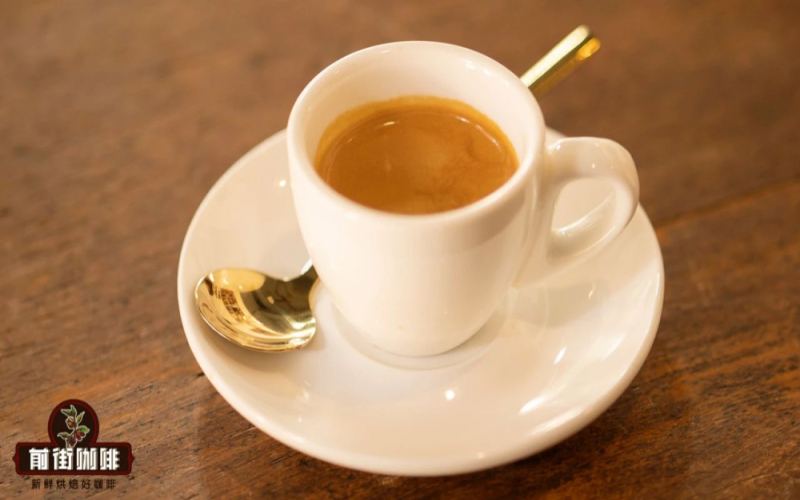
Espresso Fully Explained: Definition, Drinking Methods, and Key Differences from Americano
Walking into a café, that small cup of black coffee with golden foam floating on top and a strong, bitter taste is often espresso. It is both the base for drinks such as Americano, latte, and cappuccino, and the soul of Italian coffee culture. This article will start with the origin of espresso, its flavor characteristics, and its three-layer structure, explain its essential difference from Americano, and share the correct tasting steps, SCA extraction standard parameters, and the serving plan used at Front Street Coffee stores. Whether you are a beginner who has just encountered Italian-style coffee or an enthusiast looking to refine your tasting skills, you can gain practical reference from it. [more…]
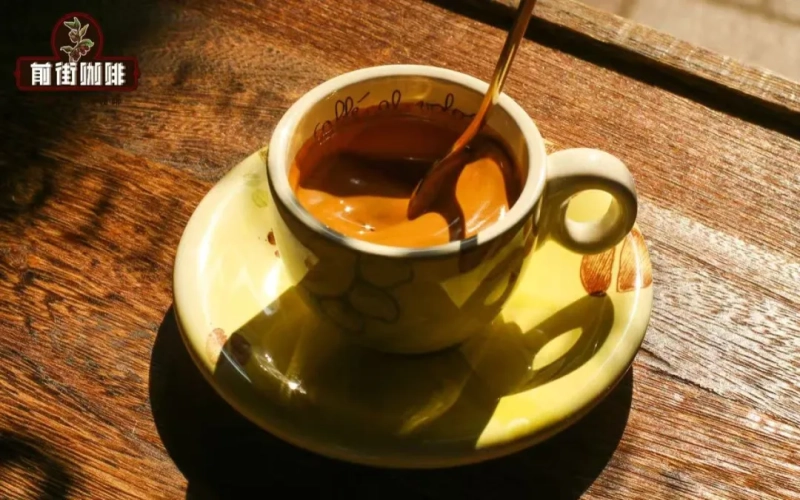
What Is Espresso Crema? Analyzing the Causes of Coffee Crema and Judging Extraction Quality
Espresso may be a niche beverage, but it serves as the base for drinks like lattes and Americanos. The golden layer of oil on its surface is called Crema, formed by coffee's insoluble oils wrapping around carbon dioxide, and it can only be produced by the 9-bar pressure of an espresso machine. The crema not only brings caramel and nutty aromas but also enhances the visual appeal of latte art. However, when the crema fails to appear or looks abnormal, it often reflects issues with bean freshness, grinding, or distribution. This article explains in detail the causes of Crema and provides a guide to selecting coffee beans rich in crema, and teaches you how to judge the quality of extraction through the color, texture, and clumping of the crema, while also recommending two espresso beans suitable for home use: Front Street Classic Blend and Front Street Dark Cocoa Base Blend. [more…]

Is More Crema Always Better? Analyzing Crema's Impact on Flavor and Mouthfeel, and the Truth About Coffee Fats
Many coffee enthusiasts are fascinated by the golden layer of crema on the surface of espresso, and some even regard it as the soul of Italian-style coffee. But is more crema really better? How exactly does it affect the taste and flavor of coffee? Is the fat content of coffee itself high? Starting from the causes of crema and its role in extraction and tasting, this article combines three representative espresso beans—Front Street Classic Blend, Commercial Blend, and Dark Cocoa Base Blend—to give you a comprehensive understanding of the nature of coffee crema and answer common questions about Crema. [more…]
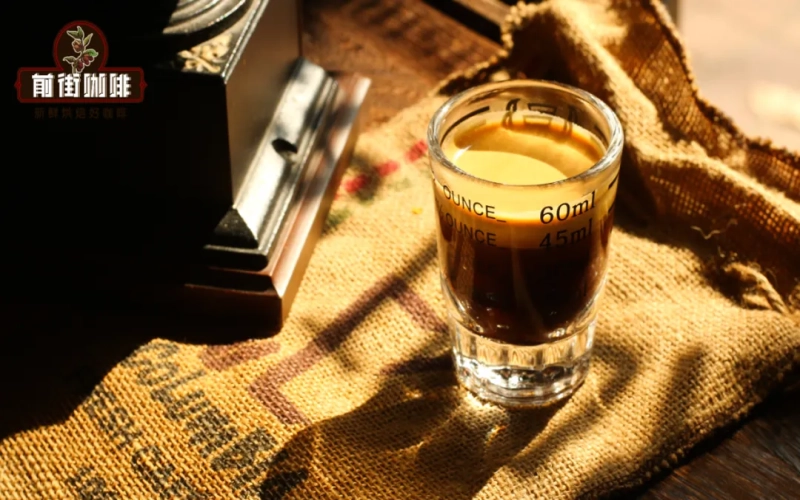
What determines the thickness of espresso crema? The essence of crema and the key factors for extracting rich crema
Many coffee enthusiasts pay extra attention to the richness of the crema when extracting espresso—some for the sake of latte art, others influenced by merchant marketing. But is thicker crema really better? In fact, crema is just a layer of foam propped up by carbon dioxide, and it doesn't directly determine coffee flavor. The core factor that truly affects crema thickness is the carbon dioxide content in the coffee beans. This article, from Front Street's perspective, will analyze the essence of crema, the relationship between crema and taste, and how to achieve ideal, rich crema through bean selection and extraction. [more…]

Is the Crema of espresso actually oil? Unraveling the mystery of real and fake coffee crema and its essential causes
The layer of golden, dense foam on the surface of espresso is often called "crema" and hailed as the soul of espresso. But have you ever considered that this layer of "crema" is not actually real oil? Recently, Front Street Coffee came across online discussions about "real vs. fake crema," which sparked curiosity among many coffee enthusiasts. This article will start from the essential composition of crema, explain why it is mistranslated as oil, analyze how pressurized extraction and coffee bean characteristics together create this emulsified foam, and further clarify the difference between "real oil" and "fake oil." Whether you are a beginner just starting out or a seasoned connoisseur wanting to understand the principles of espresso more deeply, you will find clear answers here. [more…]
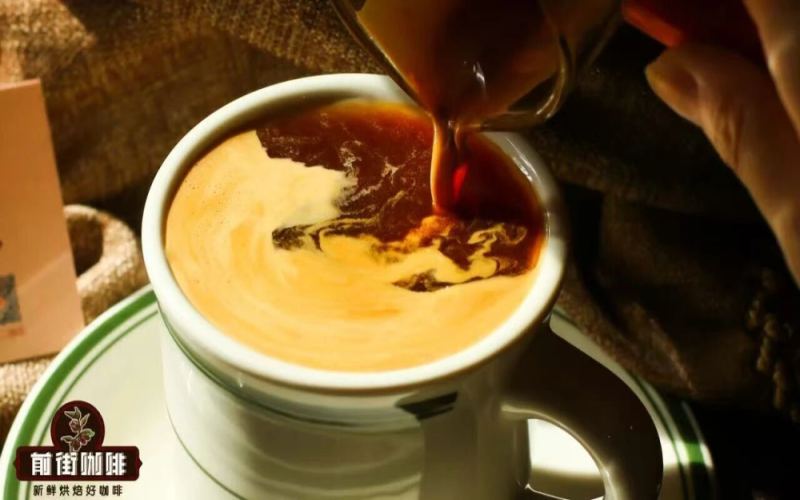
Does Skimming the Crema Off an Americano Make the Flavor Cleaner? Analyzing How Espresso Crema Affects the Taste of Americano
When you order an Americano at a coffee shop, a golden layer of crema often floats on the surface, and most people don't pay it much attention. But through comparative experiments, Front Street Coffee found that if you use a spoon to skim off this layer of crema, the bitterness of the Americano is noticeably reduced, and the flavor becomes cleaner and more transparent. The reason behind this is closely tied to the composition of the crema: it consists of carbon dioxide and insoluble oils, mixed with extremely fine particles that fall off during extraction, and these fine particles are the very source of the muddled mouthfeel and sandy texture. However, coffee shops usually don't actively remove the crema, due to multiple considerations such as serving efficiency, customer perceptual habits, and differences in taste preferences. This article will analyze in detail the real impact of crema on Americano coffee, and introduce how Front Street Coffee's classic blend helps beginners easily extract a rich crema at home and make their ideal Americano. [more…]